

Key Takeaways
- A clean, well-maintained home often makes a stronger impression than one filled with expensive but mismatched upgrades.
- List pricing should reflect comparable sales, competing listings, location, and condition.
- Visible repairs can prevent buyers from questioning larger systems or hidden maintenance issues.
- Staging should clarify how each room works while leaving space for buyers to imagine their own lives there.
- Accurate listing details, thoughtful photos, and a simple showing routine help reduce friction after launch.
Selling a home in Leawood or another Kansas City suburb starts well before the listing appears online. Buyers quickly notice condition, light, layout, and the care behind small details, whether they are touring a Prairie Village ranch, an Overland Park two-story, or a newer Olathe home.
Homeowners who want guidance tailored to their neighborhood can work with Leawood real estate experts The Magnolia KC Group. The Magnolia KC Group is a Kansas City-area real estate team serving Leawood and nearby communities, including Overland Park, Olathe, Lenexa, and Prairie Village, with home valuation, property search, staging, and marketing services to help sellers make informed preparation decisions.
Why Preparation Matters
Today’s buyers can compare listings, photos, floor plans, and property histories before scheduling a showing. That makes the first online impression especially important. Recent Kansas City market reporting also shows that homes can move faster than the national pace, but sellers should not confuse market activity with a reason to overlook presentation or pricing.
Preparation does not mean renovating every room. The practical goal is buyer confidence. A home that looks clean, functions properly, and is priced in line with the competition gives buyers fewer reasons to hesitate or assume deferred maintenance elsewhere.
Start With a Pre-Listing Home Review
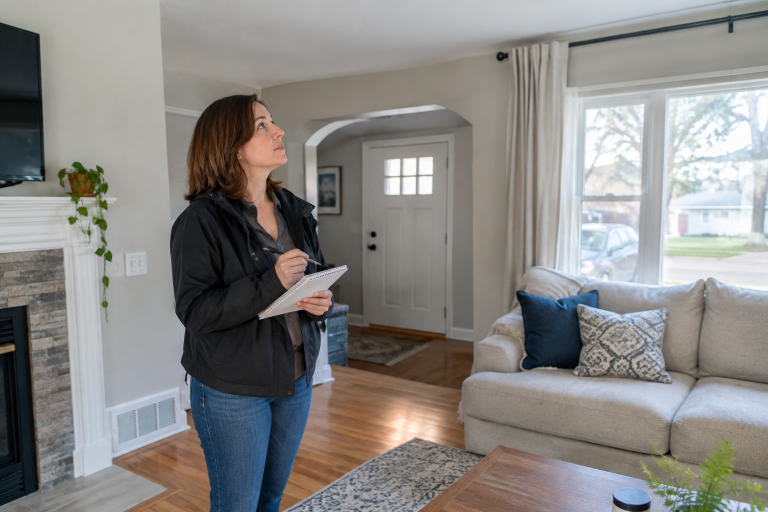
Walk through the property as if you were seeing it for the first time. Bring a notepad and inspect rooms in both daylight and evening light. Look at walls, ceilings, floors, doors, trim, windows, and stair rails. Test light switches, fans, outlets, plumbing fixtures, appliances, and the garage door.
Outside, check the roofline from the ground, gutters, siding, driveway, walkways, landscaping, and drainage around the foundation. Watch for signs of moisture, pests, leaks, or damage. Then divide your notes into urgent repairs and optional improvements. Before committing to a project, ask whether it improves safety, function, appearance, or buyer confidence.
Choose Repairs With a Clear Payoff
Address visible defects before focusing on purely cosmetic changes. Peeling paint, loose railings, damaged flooring, dripping faucets, cracked caulk, broken cabinet hardware, and burned-out bulbs can distract from a home’s strengths. These items may be relatively small, but buyers often use them to judge overall maintenance.
Fresh neutral paint, cleaned grout, updated bulbs, and repaired trim can refresh a space without forcing a large renovation. Be cautious with major kitchen or bath remodels shortly before listing. A project can cause delays, introduce unexpected costs, and lead to choices that do not align with the preferences of the most likely buyer in the neighborhood.
Improve Curb Appeal Before Buyers Walk Inside
The front approach sets the tone. Mow and edge the lawn, trim overgrown shrubs, remove dead plants, sweep the porch, and wash the front door, walkway, and driveway. Replace worn house numbers or a damaged porch light if needed, and keep seasonal decor limited and tidy.
A modest home with a clean entry, clear path, and cared-for landscaping can feel welcoming before a buyer reaches the threshold. This matters in Kansas City suburbs, where buyers may tour several similarly sized homes in one afternoon.
Declutter and Stage With Purpose
Remove excess furniture, clear counters, pack collections, and organize closets to showcase storage capacity. Don’t strip the home; keep enough furniture to define each room’s purpose and scale. Staging should match the home and the potential buyer, defining living areas, adding lighting to dark rooms, and highlighting features such as a fireplace, office, basement, kitchen, or patio. Current staging approaches increasingly emphasize thoughtful finishing details that help buyers understand how a space can be lived in, rather than filling rooms with unnecessary decor.
Set a Price Based on Evidence
A list price should be based on current local evidence, not a hoped-for number or a single automated estimate. Review comparable homes that recently sold, active listings buyers may view at the same time, and the time similar properties spent on the market. Consider updates, lot size, floor plan, location, school area, and condition. Conditions can vary significantly between Leawood, Lenexa, Olathe, Overland Park, and Prairie Village. Even within one city, a renovated home near major amenities may compete differently from a similar home with original finishes. Overpricing can limit early interest, while later price reductions may prompt buyers to ask why the home did not sell sooner.
Build a Strong Listing and Showing Plan
Schedule professional photography after cleaning and staging are complete. Photos should be bright, accurate, and arranged to show room flow. Listing descriptions should explain meaningful improvements, storage, outdoor space, and other practical benefits without exaggeration. Confirm measurements, room names, school information, and property details before publication.
For showings, create a simple reset routine. Secure medications, valuables, sensitive documents, and pets. Open blinds, turn on lights, and use fresh air and cleaning instead of heavy fragrance to control odors. When possible, leave during showings so buyers can discuss the home openly.
Common Questions From Kansas City Sellers
Should every room be professionally staged?
Not necessarily. Priority rooms often include the living room, kitchen, primary bedroom, and a key outdoor area. A consultation can help determine whether partial staging, rearranging existing furnishings, or full staging best fits the property.
Which updates usually matter most?
Start with repairs, cleanliness, lighting, paint, flooring condition, curb appeal, and functional systems. These basics affect how buyers experience the entire property.
How long should the preparation take?
A well-maintained home may need only a few days of cleaning, touch-ups, and photography preparation. A property needing repairs, deep cleaning, landscaping, or staging may require several weeks.
A Simple 30-Day Preparation Plan
- Days 1 to 5: Review the home, gather records, and make a repair list.
- Days 6 to 12: Complete priority maintenance and improve curb appeal.
- Days 13 to 18: Declutter, pack, clean, and organize storage areas.
- Days 19 to 23: Finalize pricing, staging, photography, and listing details.
- Days 24 to 30: Launch the listing, prepare for showings, and carefully consider feedback.
Final Checklist Before Going Live
- Priority repairs are complete.
- The home is clean and free of excess clutter.
- Outdoor areas look maintained.
- Every room has a clear purpose.
- Photos are accurate and well-lit.
- The price reflects current competition.
- Property details have been checked.
- A showing routine is ready.
A successful Kansas City-area sale begins with practical preparation, not unnecessary spending. By focusing on maintenance, presentation, evidence-based pricing, and a smooth showing experience, sellers can help buyers see the home clearly and feel more confident taking the next step.

